


























Google Cloud Next ’26: The Highlights
25.05.2026 
Top 10 Breakthroughs from Google I/O ’26: Agentic Era’s Gaining Traction
The passive chatbot is done. We’re now dealing with autonomous agents that do the work for you.
And Google I/O ’26 just dropped the hard infrastructure to run these across Cloud, Workspace, Android, and Chrome.
Breakthrough #1. Antigravity 2.0
A heavy hitter of the keynote that rewrites the timeline on engineering from scratch.
- Your lead AI can now assign jobs to specialized AI helpers (like QA or Data Science) so they work on complex projects at the same time.
- To prove it, Google had 93 agents build an operating system from the ground up. They wrote every line of code in 12 hours for under $1,000 in API credits.
- Google also rolled out Antigravity CLI to put everything directly into the terminal and bring the tools right where developers already are.
Breakthrough #2. Gemini Omni & 3.5 Flash
The engine that actually powers the new system.
- Gemini 3.5 Flash runs four times faster than other models for less than half the price and is built specifically for complex coding and reasoning.
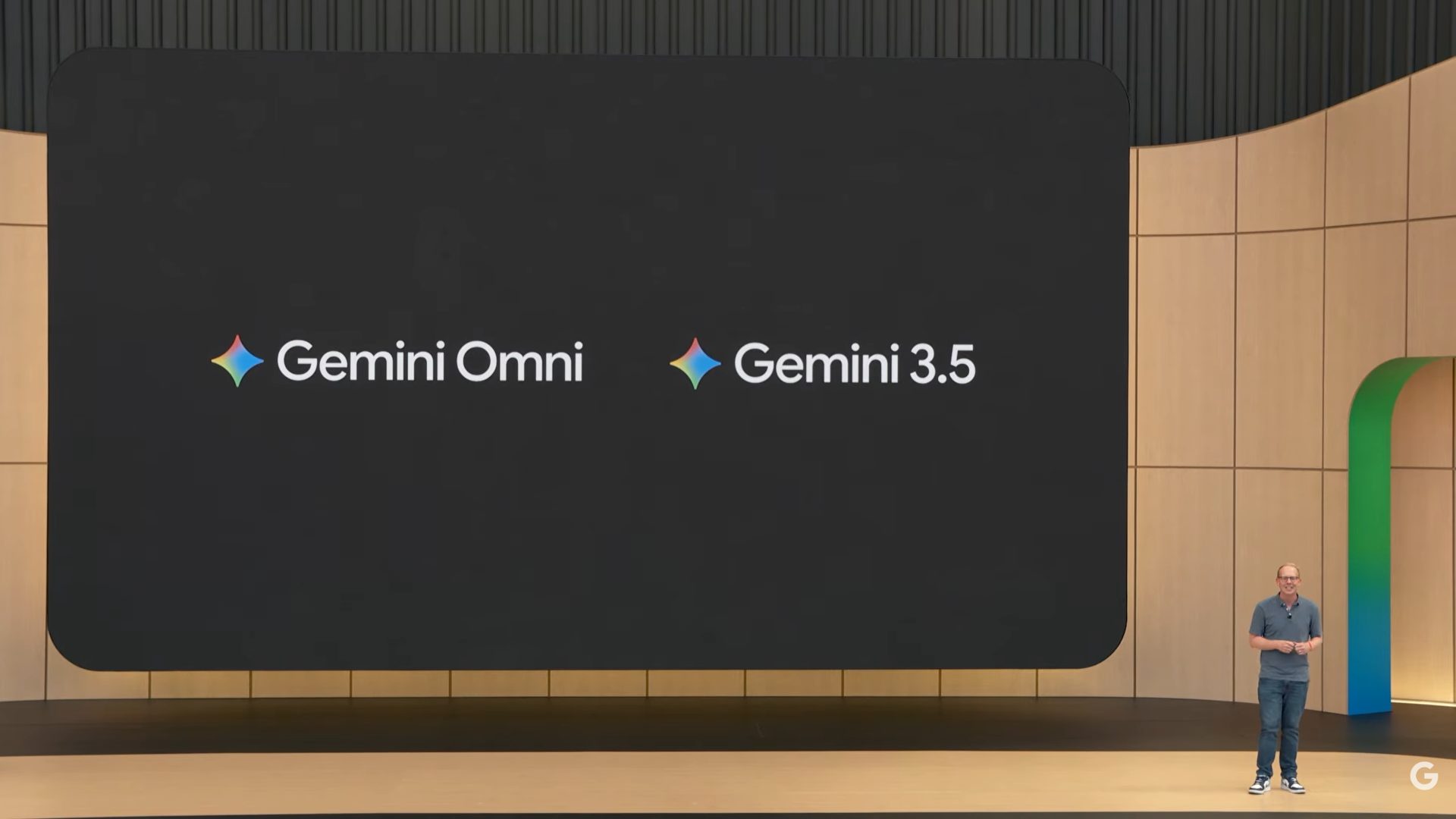
- Google released Gemini Omni, a true “world model” that stops predicting text and starts simulating reality because it actually understands physics like gravity and kinetic energy.
- Omni takes any mix of text, images, and video to let you edit complex videos just by typing what you want in what Google called the “Nano Banana for video” moment.
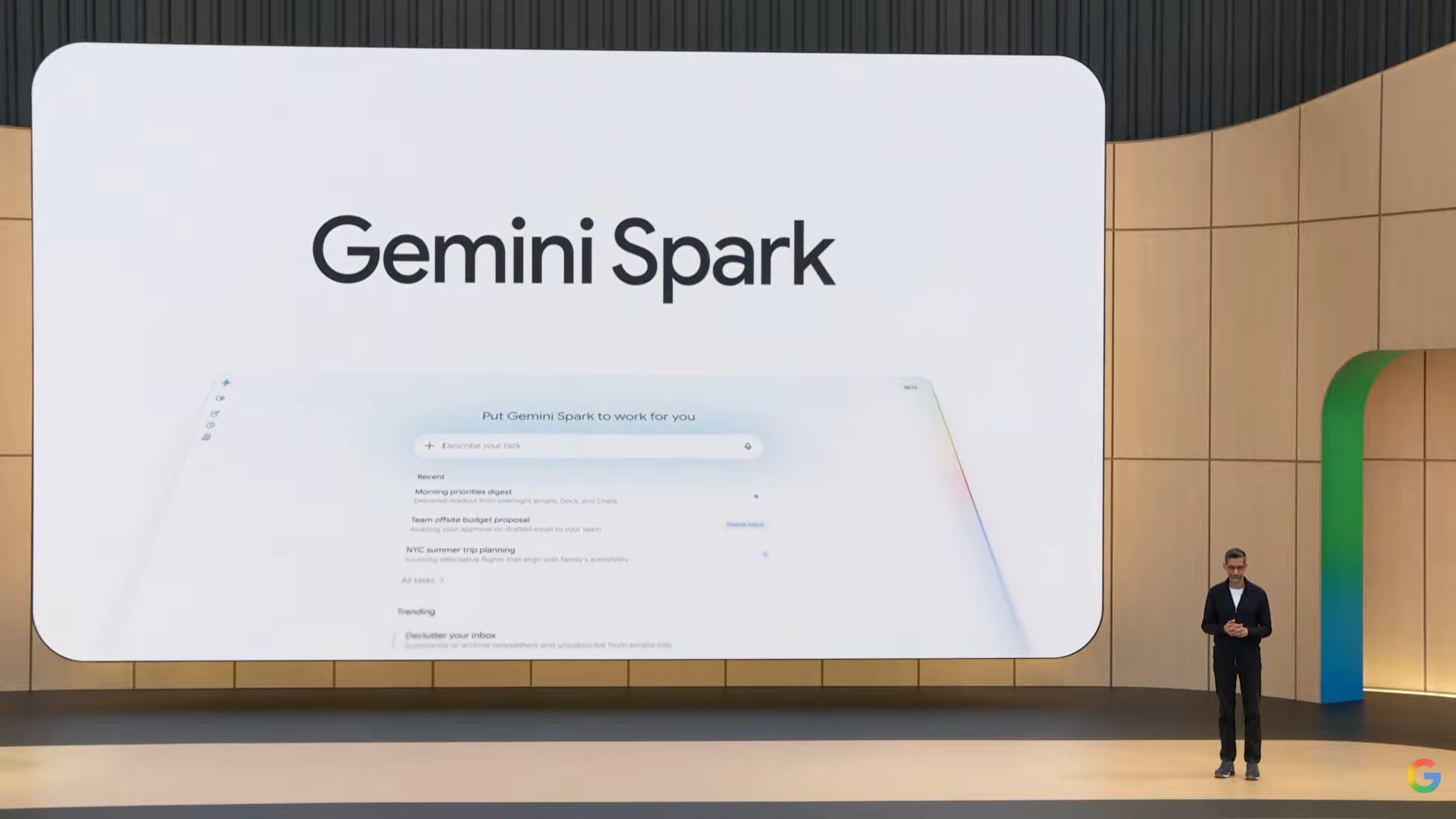
Breakthrough #3. Gemini Spark
A personal AI that runs in the background on Google Cloud VMs to handle complex workflows 24/7.
- It connects directly to Google Workspace to pull and organize data across Gmail, Drive, Docs, and Calendar on its own.
- You can just talk into the mobile app to dump your tasks, and Spark does the rest behind the scenes.
- It only stops to ask for your approval before it actually sends an email or books a meeting.
Breakthrough #4. Gemma 4
Bringing these new AI agents directly to your local hardware.
- Google released it under an Apache 2.0 license and hit over 100 million downloads in the first month.
- It ranges from 2 billion parameters for IoT up to 31 billion for local reasoning, meaning it runs right on your machines and mobile devices without a cloud connection.
- Gemma 4 handles multi-step planning, function calling, and code execution completely offline.
Breakthrough #5. Google Flow
Putting AI agents to work directly on media creation.
- Connected to Gemini Omni, it handles multiple creative jobs at once, like generating 16 video angles from one image or turning a day scene into night.
- Artists can “vibe-code” their own custom tools right inside the platform.
- It pairs these new video and design tools directly with Google Flow Music for generating original audio.
Breakthrough #6. UCP & AP2
The financial infrastructure that lets AI agents actually buy things.
- Google, Amazon, Meta, Stripe, and others teamed up to launch the Universal Commerce Protocol (UCP) and set the baseline standard for how AI shops online.
- To keep your budget safe, they released the Agent Payments Protocol (AP2) to put hard spending limits on your AI.
- AP2 automatically creates a digital receipt for every single transaction, so you always know exactly where your money went without your AI going rogue.
Breakthrough #7: WebMCP & HTML-in-Canvas
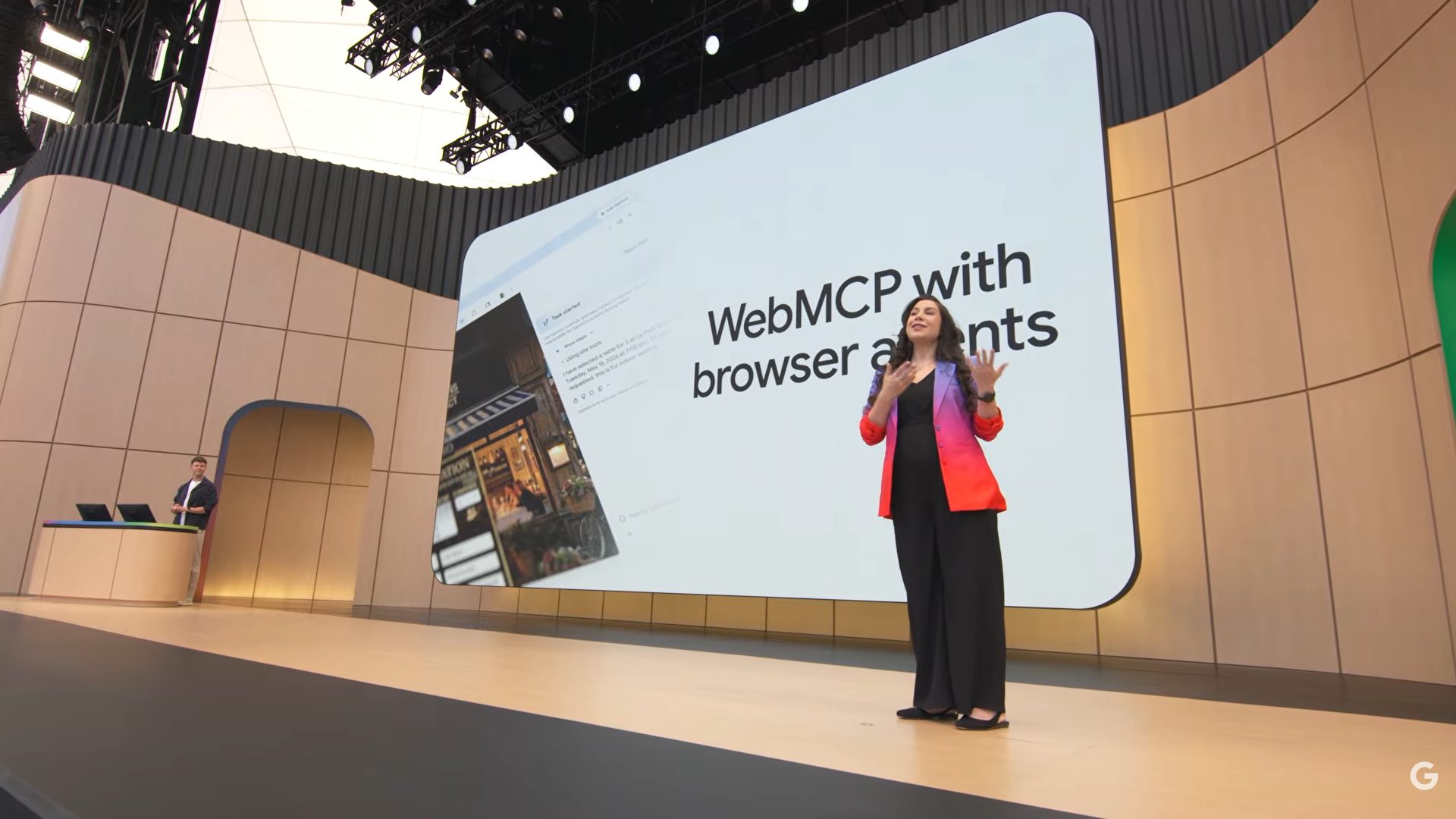
Giving AI agents the exact tools they need to understand the web.
- Google proposed WebMCP so websites can show AI agents exactly how their specific features work. Agents are no longer stuck trying to figure out how to navigate a site.
- Google also dropped HTML-in-Canvas, an API that puts real, readable website text directly inside 3D graphics.
- This means your AI agents can actually read, search, and interact with complex 3D websites just like a standard web page.
Breakthrough #8. Android 17
Android is now also a manager for AI tasks.
- The new AppFunctions API lets apps hand their tools directly to Gemini, so your AI can jump between them and get work done in the background.
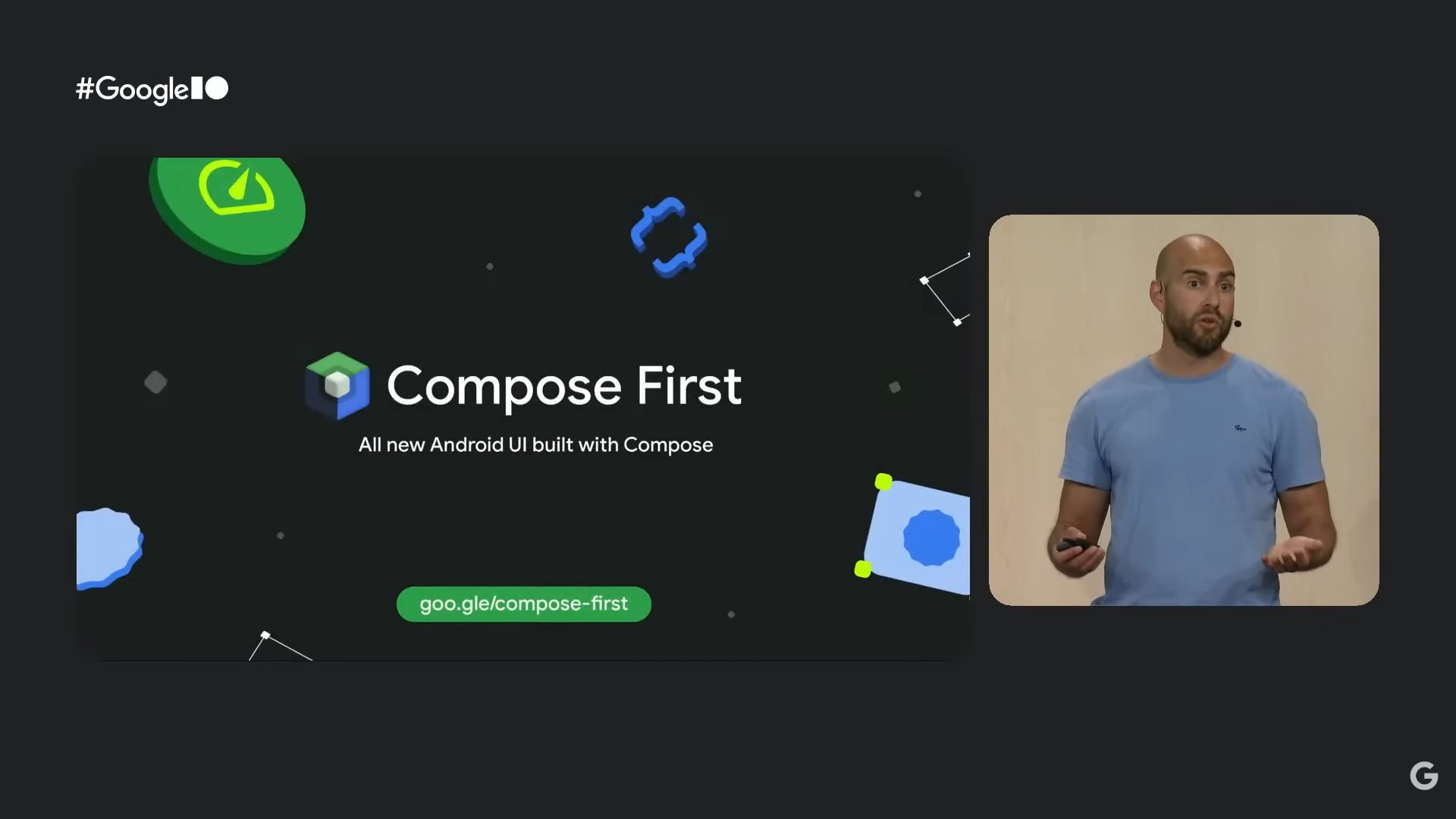
- Google made a hard rule for developers: Jetpack Compose is now required to build interfaces.
- The old View components are officially moving to maintenance mode.
Breakthrough #9. Google Search
Search becomes an active workspace.
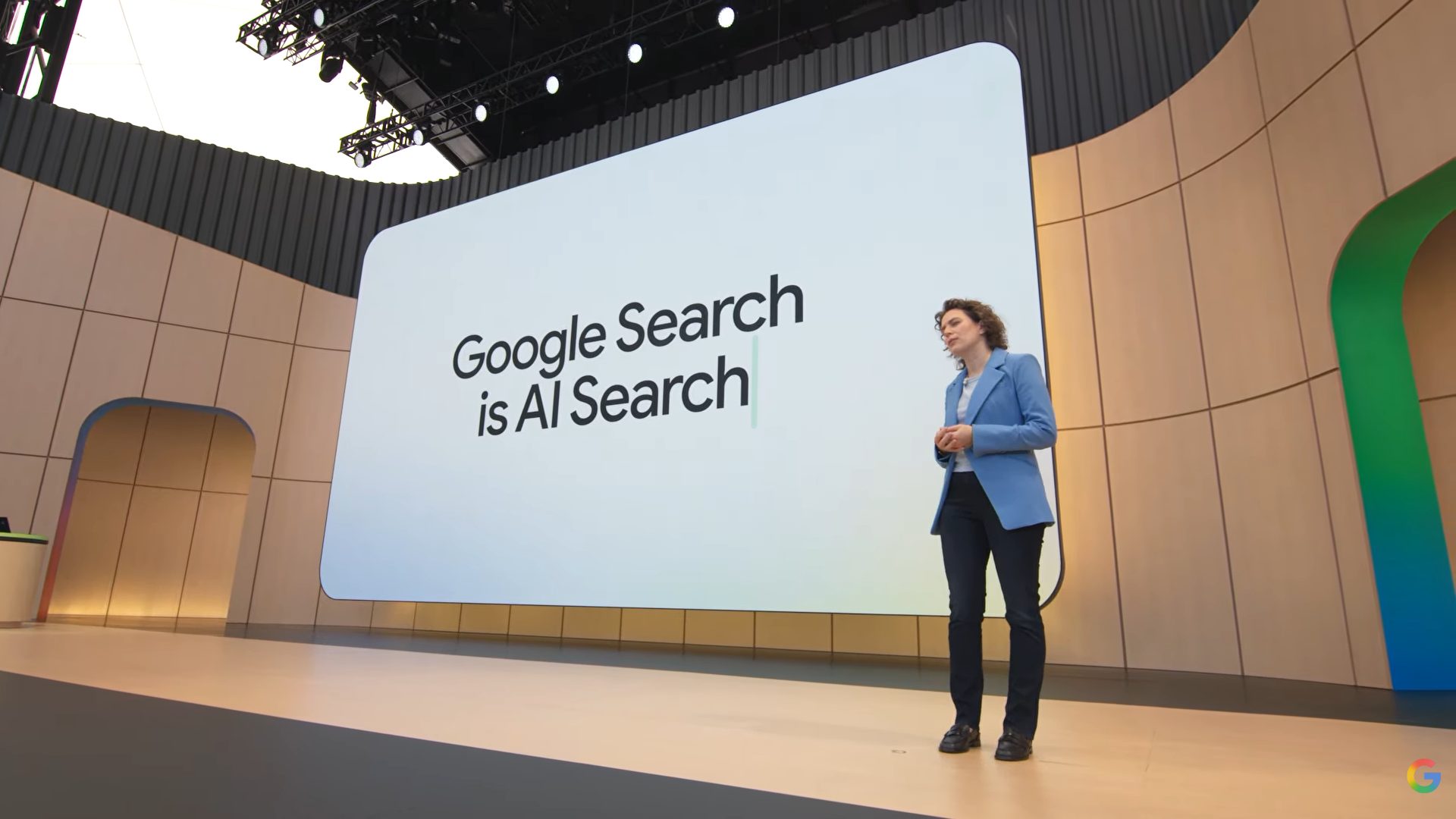
- The search box now runs on Gemini 3.5 and takes text, files, images, and video all at the same time to figure out exactly what you need.
- You can set up agents that run 24/7 in the background to watch live data, like finance or real estate, and update you the second the market moves.
- Search now writes code on the fly to build custom dashboards and interactive widgets directly on the results page to answer your specific problem.
Breakthrough #10. SynthID
The infrastructure for actually trusting what you see online.
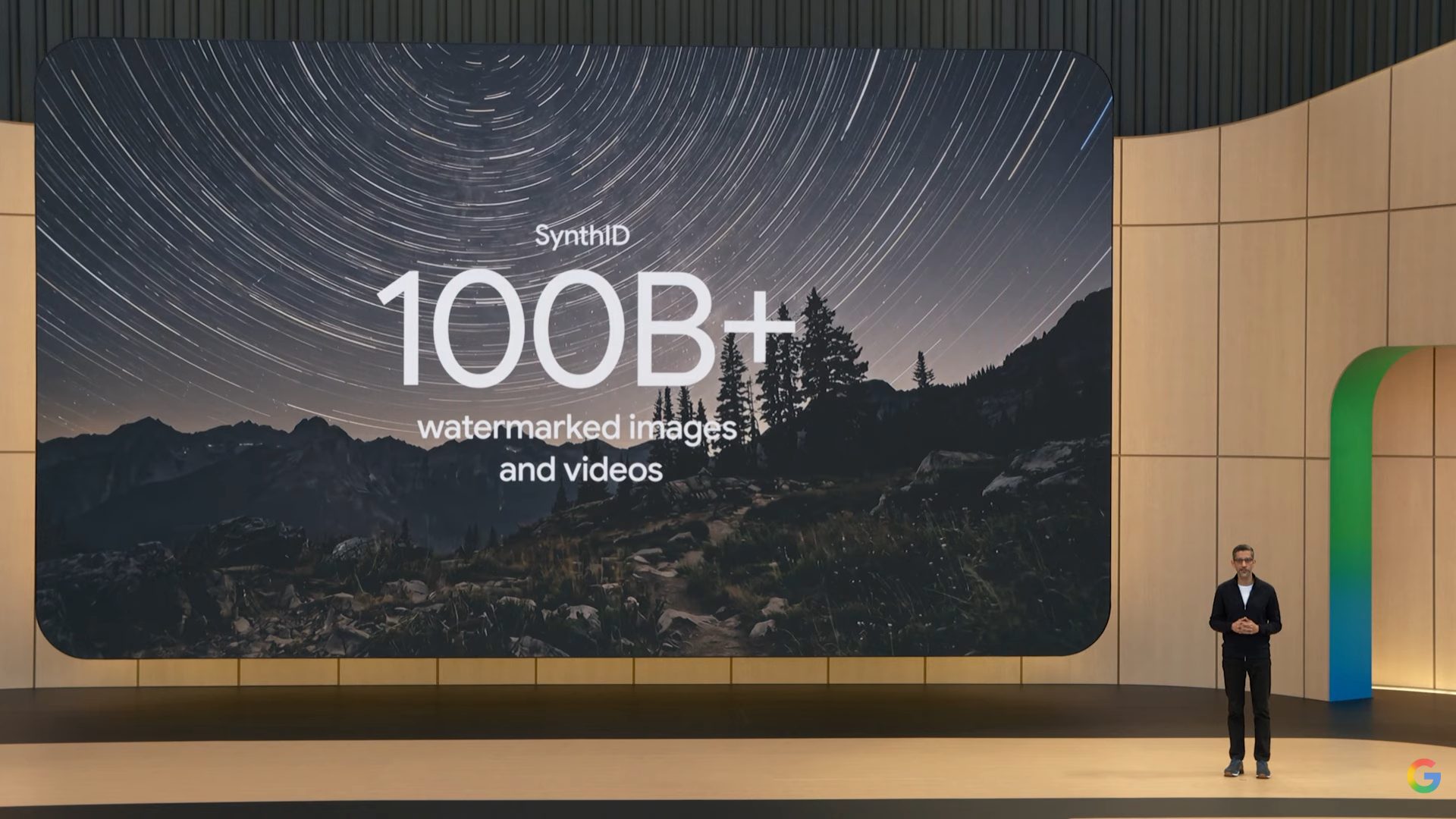
- AI media is now too good for humans to verify by eye, so Google is massively expanding its invisible watermarking tech.
- The system has already watermarked 100 billion images and videos.
- OpenAI, NVIDIA, Kakao, and Eleven Labs are all adopting it, making it the hard standard for catching deepfakes across the industry.
Business Is Going Agentic. Are You? Join forces with a global Google Cloud Premier Partner to make all these innovations help you achieve your goals. Get Started →