

























The Five Inspiring Asana Case Studies from Europe and Central Asia—Crafted by Cloudfresh
Asana 29.01.2026 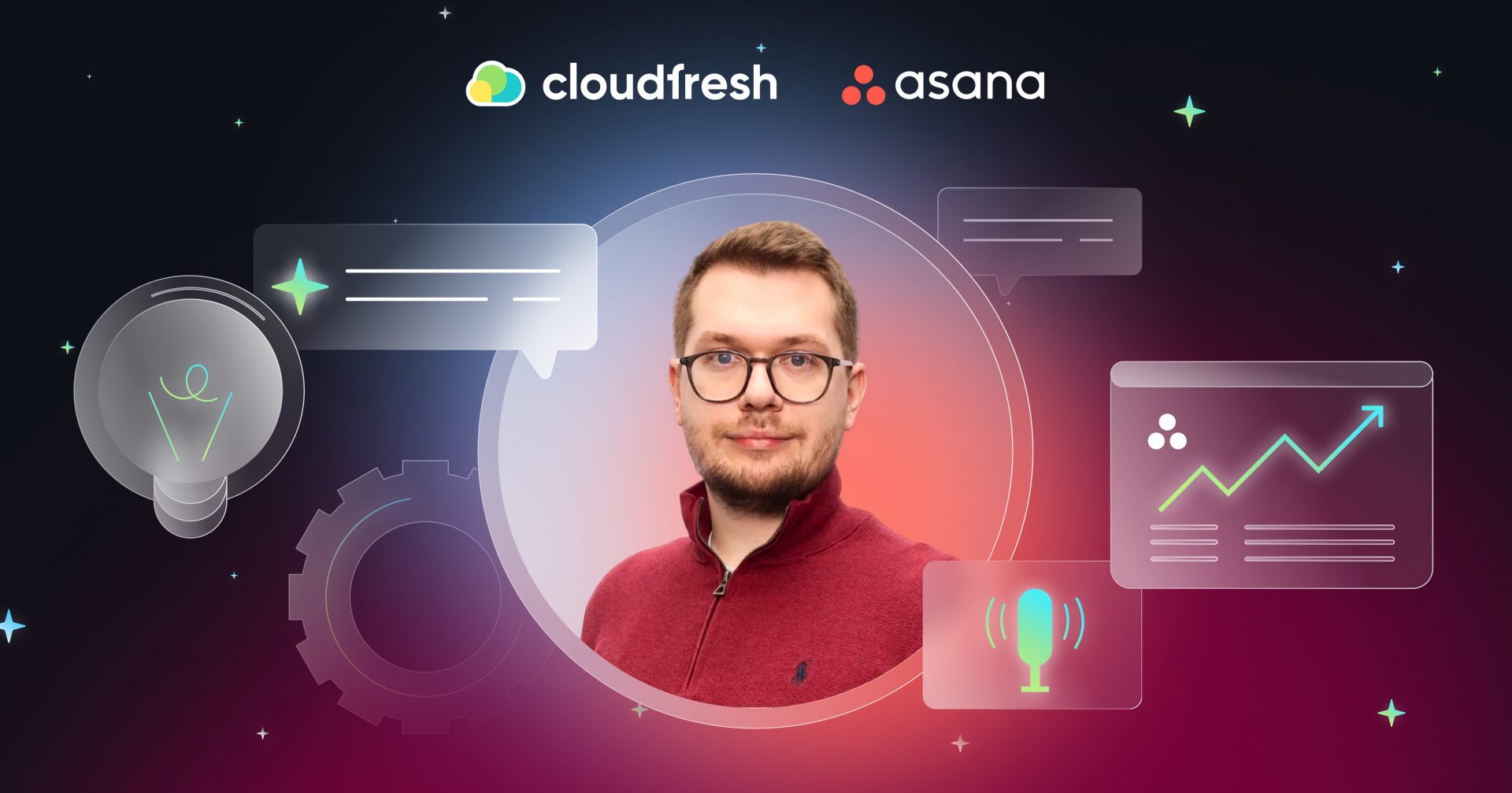

Why It Is Essential to Implement Asana Together with an Official Partner
Today, we sat down for an interview with Norbert Durko, the General Manager for the Middle East at Cloudfresh and a former Corporate & Enterprise Account Executive at Asana.
Drawing on his unique perspective from both the vendor and partner sides, Norbert shares how executive sponsorship and clear ownership are more critical to success than the software itself.
Inside, you’ll find a close-up look at the fast-changing GCC market, the practical benefits of collaborating with an official Asana Partner to speed up time to value, and strategies for overcoming operational hurdles.
“What it shaped most is my understanding that the product itself is rarely the limiting factor.”
Hi, Norbert! For starters, could you please briefly introduce yourself and share your experience as a former Corporate & Enterprise Account Executive at Asana who was also the founding member of its Central & Eastern Europe team? How did it shape your understanding of the platform and its ecosystem?
Hi! I spent several years at Asana working with Corporate (50 – 2,000 employees) and Enterprise (2,000+ employees) customers and was part of building the Central & Eastern Europe region from the ground up. That gave me a front-row seat to how large organizations actually adopt work management platforms, not just how they buy them.
What it shaped most is my understanding that the product itself is rarely the limiting factor. Success or failure usually comes down to clarity of ownership, executive sponsorship, and whether the tool is embedded into real operating rhythms rather than rolled out as “just another system.”
“The GCC is a very execution-focused market. Leaders here are less interested in tooling for tooling’s sake.”
It’s been a while since you joined Cloudfresh as a General Manager for the Middle East. How does it feel to run operations in the region out of Dubai, and what unique qualities does the GCC market bring to our portfolio?
The GCC is a very execution-focused market. Decisions are often made quickly, but expectations around impact are high. Leaders here are less interested in tooling for tooling’s sake and more interested in whether it improves visibility, accountability, and decision-making at scale. What’s unique is how important trust, local presence, and context are. The same approach that works in Europe doesn’t always translate directly, especially when governance, scale, and pace are different.
“The biggest change for the customer is accountability for outcomes, not just access to the product.”
From your perspective, what is the key difference between working with the vendor directly versus working through an official Asana Partner? What changes for the customer?
Working directly with the vendor can work well when requirements are simple and the organization already has strong internal ownership. A partner becomes critical the very moment complexity increases, for example, multi-team rollouts, executive reporting needs, integrations, or when adoption and behavior change matter as much as licenses. The biggest change for the customer is accountability for outcomes, not just access to the product.
“A strong partner also acts as a neutral operator between business and technology.”
And what practical benefits do organizations gain when they choose to work with an Asana Partner instead of dealing with everything on their own?
The most practical benefit is time to value. Instead of learning through trial and error, organizations start with proven patterns for governance, rollout, and adoption that have already worked at scale.
A strong partner also acts as a neutral operator between business and technology, helping align executive expectations, operational reality, and platform design. That reduces rework, improves adoption, and allows internal teams to focus on running the business rather than managing the tooling itself.
“Our recognition has come from consistent execution, not one-off wins.”
As an official Asana Platinum Solutions Partner, what are some of Cloudfresh’s achievements, awards, and distinctions you are most proud of?
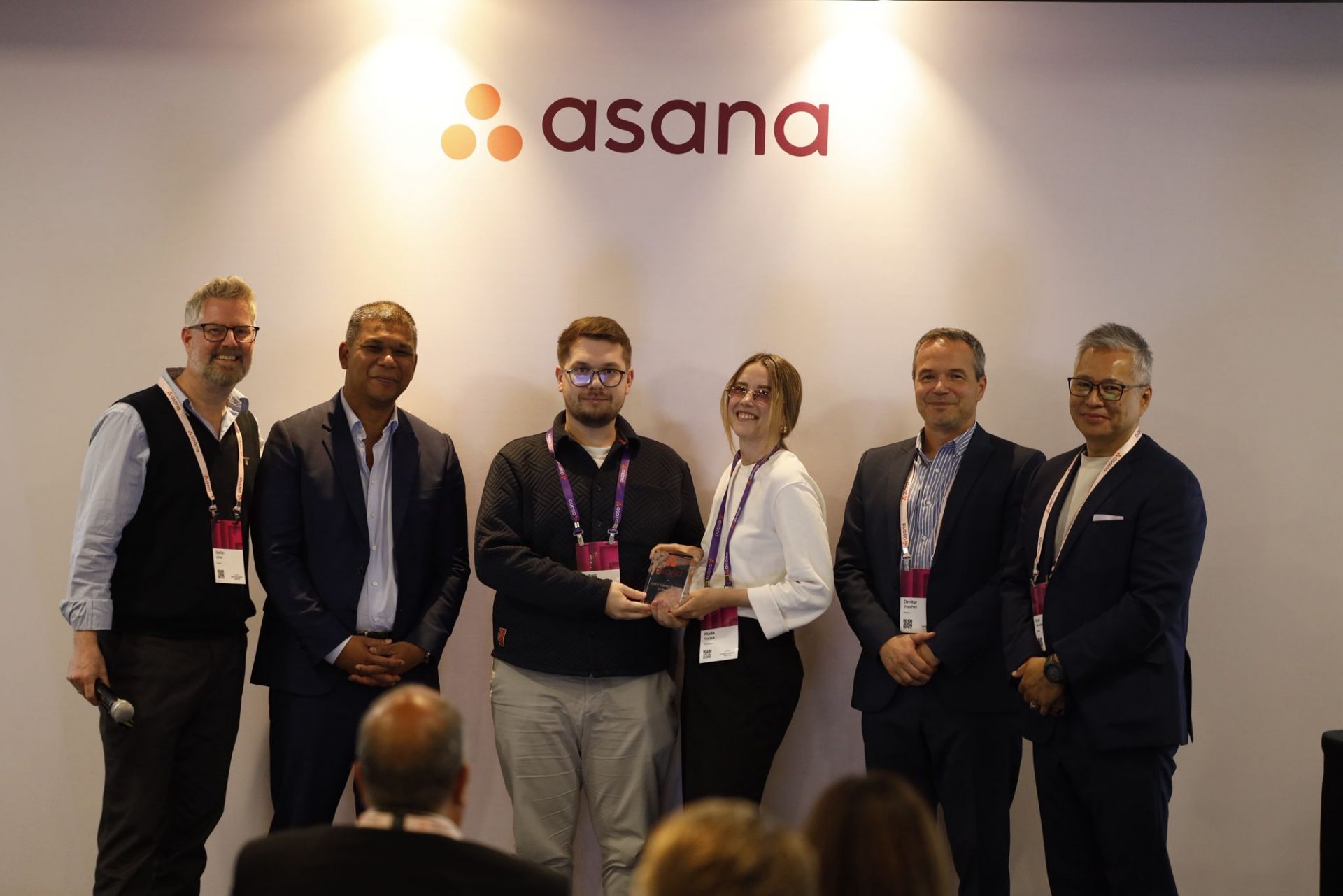
What I’m most proud of is that our recognition has come from consistent execution, not one-off wins. In 2024, we received Asana’s award for Marketing Excellence, which reflected our ability to translate the platform into real, regional use cases rather than generic messaging. In 2025, we were named Asana Solutions Partner of the Year, which for us was validation of both delivery quality and long-term customer impact.
What common operational challenges do you see in businesses turning to Cloudfresh as a Partner with 8 years of experience and more than 2,000 firms supported worldwide? How does our partnership model help solve them?
The most common challenge we see is fragmentation. Teams often use a mix of tools for work management, collaboration, communication, development, and security, but these systems are rarely designed to work together. As a result, leaders struggle to get a clear, reliable picture of what’s happening across the organization.
At Cloudfresh, we approach this from a platform and ecosystem perspective. While Asana often sits at the center as the system of record for work, we regularly design solutions that connect it with tools like Google Workspace, GitLab, Zendesk, Miro, or Cloudflare, depending on the client’s operating model.
Our partnership model allows us to think beyond a single product and focus on how work, information, and decisions flow across the business. That’s what turns individual tools into a coherent operating system rather than a collection of disconnected applications.
How important would you say local support is, and what kind of an upper hand do clients get from working with experts speaking their native language and understanding their business culture?
Local support matters most when organizations are scaling or operating in complex or regulated environments. It’s not just about language, but about understanding how decisions are made, how authority works, and how change is realistically introduced. That local context often shortens time to value and reduces friction between global tools and regional realities.
“AI amplifies whatever foundation you build, good or bad.”
Last but not least, could you share a success story from the Gulf Cooperation Council region where partnering with us made a real difference? What advice would you give to companies considering Asana today, especially given the arrival of Asana AI?
In the GCC, the biggest impact comes when organizations move from managing tasks to managing outcomes. In one case, aligning executive goals, portfolios, and operational workflows in Asana significantly reduced manual reporting and improved leadership visibility across multiple business units.
With Asana AI Studio and AI Teammates, the conversation is shifting from productivity to decision quality. My advice is to first get the structure and data right. AI amplifies whatever foundation you build, good or bad.
Stop Managing Tools. Start Driving Outcomes with a Proven Partner. Cloudfresh is not just an Asana Platinum Solutions Partner, but also a Google Cloud Premier Partner, Zendesk Advanced Partner, HubSpot Diamond Partner, Okta Activate Partner, Cloudflare Select Partner, JumpCloud Platinum Partner, Jamf Professional Partner and Microsoft Partner. This means we have unmatched expertise to connect your tools perfectly, whether you are based in the GCC or operating globally. Scale Your Business →